
 See My Latest Article on HelloNation

What Does Car Shipping Involve?
Car shipping is the process of transporting a vehicle from one location to another using specialized carriers. For residents in Uniondale, this often means sending a car to or from another state or region, especially during seasonal moves, college transitions, or after purchasing a vehicle from a distant seller. The process is structured to ensure the safe, legal, and efficient movement of a vehicle, but understanding each step helps prevent surprises and reduces stress.
How Do You Prepare a Car for Transport?
Preparing a car for shipping begins well before the carrier arrives. Local residents can take specific actions to avoid delays or issues:
- Clean the car inside and out, which makes inspection easier and helps spot pre-existing damage.
- Remove personal items, including toll tags and loose accessories, as these aren’t typically covered by carrier insurance.
- Note the fuel level; it should be kept below a quarter tank to reduce weight but above empty for loading and unloading.
- Check for leaks and mechanical issues, as vehicles must be safe to start, stop, and steer.
A vehicle inspection will be performed at pick-up; photos taken during preparation can simplify any future insurance claims.
What Types of Carriers Are Commonly Used?
Two main types of auto carriers exist: open and enclosed trailers.
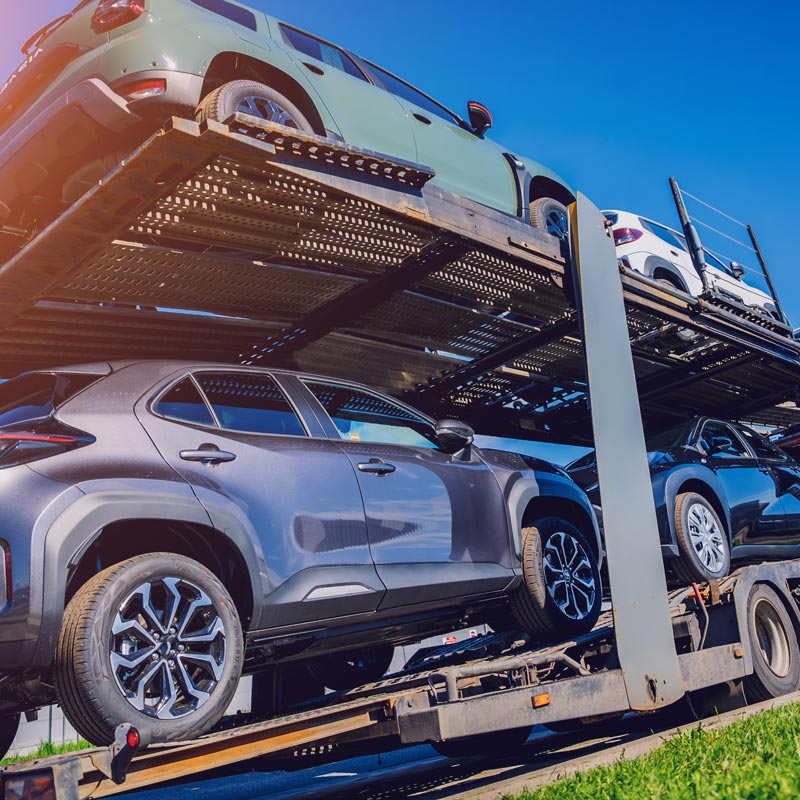
- Open carriers are the most common, featuring two levels and visible from the road. They suit most standard vehicles and are generally more affordable. In places like Uniondale, where road salt and weather are considerations, some owners may have concerns about exposure during winter.
- Enclosed carriers provide protection from weather, road debris, and prying eyes. These are usually chosen for luxury, classic, or specialty cars and come at a higher cost due to the extra protection.
Choosing between these depends on vehicle type, season, and personal priorities for protection versus budget.
What Is the Shipping Process Step-by-Step?
The structure of car shipping typically follows these stages for area residents:
1. Booking: You select a shipping date, provide details about the vehicle, and determine the destination. Advance notice is helpful, especially around college moves, holidays, or winter months when demand spikes.
2. Vehicle Preparation: As noted above, this involves cleaning, documenting, and checking the car.
3. Pick-Up Inspection: When the carrier arrives, both parties review the vehicle’s condition. This results in a signed inspection report, which will be essential upon delivery.
4. Transport: The vehicle is loaded onto the carrier and transported. You may be able to track progress or receive updates along the way. In densely populated communities, pick-up and drop-off may occur at broader public spaces rather than narrow neighborhood streets.
5. Delivery Inspection: At arrival, another vehicle inspection is performed. Any variances from the original report should be noted immediately.
6. Completion: After confirming the vehicle’s condition and resolving any issues, the process is officially complete.
Each stage is designed to document the car’s state and clarify responsibilities.
What Are Door-to-Door and Terminal-to-Terminal Services?
Local residents may hear about “door-to-door” and “terminal-to-terminal” shipping.
- Door-to-door service means the carrier attempts to pick up and drop off as close to your home as possible. In Uniondale, driveways or standard streets generally suffice, but vehicles sometimes need to meet at a nearby parking lot or shopping center if truck access is limited.
- Terminal-to-terminal service involves dropping off and picking up the car at designated regional transport lots. While potentially cheaper, this option may require you to arrange separate travel to the terminal and can add time to the process.
Most households in the city prefer door-to-door service for convenience, but confirm accessibility due to local traffic or parking rules.
What Factors Affect How Long Shipping Takes?

Transport times vary based on distance, route, schedule, and weather. For vehicles being shipped from Uniondale to another state:
- Short-haul (within the Northeast): Often 1-3 days
- Coast-to-coast: Typically 7-10 days
- Seasonal factors: Winter storms, major holidays, and summer demand can affect timing
A common misconception is that timing is guaranteed. In reality, weather, traffic volume, and the carrier’s multi-stop routes can create delays. Staying in communication and planning for a buffer can minimize inconvenience.
Are There Local Regulations or Considerations to Keep in Mind?
Within the city, local parking rules, truck route designations, and neighborhood density can influence where carriers can safely load or unload. Communicate any potential parking restrictions or HOA rules ahead of time. The community’s climate, especially in winter, may also affect timing and access to residential addresses. Being aware of these local conditions can help smooth the process and avoid last-minute adjustments.
What If Damage Occurs During Shipping?
In rare situations, vehicles may sustain damage. Carriers are required to have insurance, but coverage varies. It’s essential to:
- Thoroughly inspect the vehicle at delivery, referencing your initial inspection report.
- Note any damage in writing before signing acceptance paperwork.
- Retain all documentation and promptly contact the carrier’s claims department if needed.
Clear records from pick-up and delivery make resolution easier if something goes wrong.
How Can Residents Make the Process Smoother?
- Flexibility with dates can lower costs and decrease wait times.
- Honest vehicle descriptions prevent last-minute rejections or surcharges (e.g., modified suspensions or oversize tires).
- Planning for alternate drop-off locations can help when direct-to-door service isn’t possible.
Staying informed about local infrastructure, weather, and regulations gives residents an edge in avoiding common pitfalls during the shipping process.