
 See My Latest Article on HelloNation
What Is the Difference Between Open and Enclosed Car Transport?
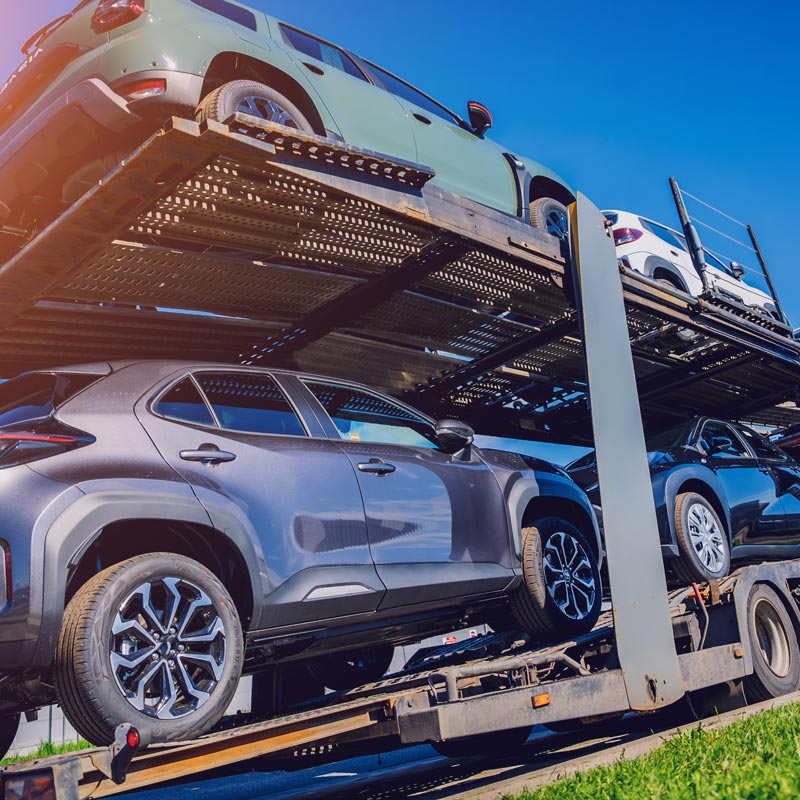
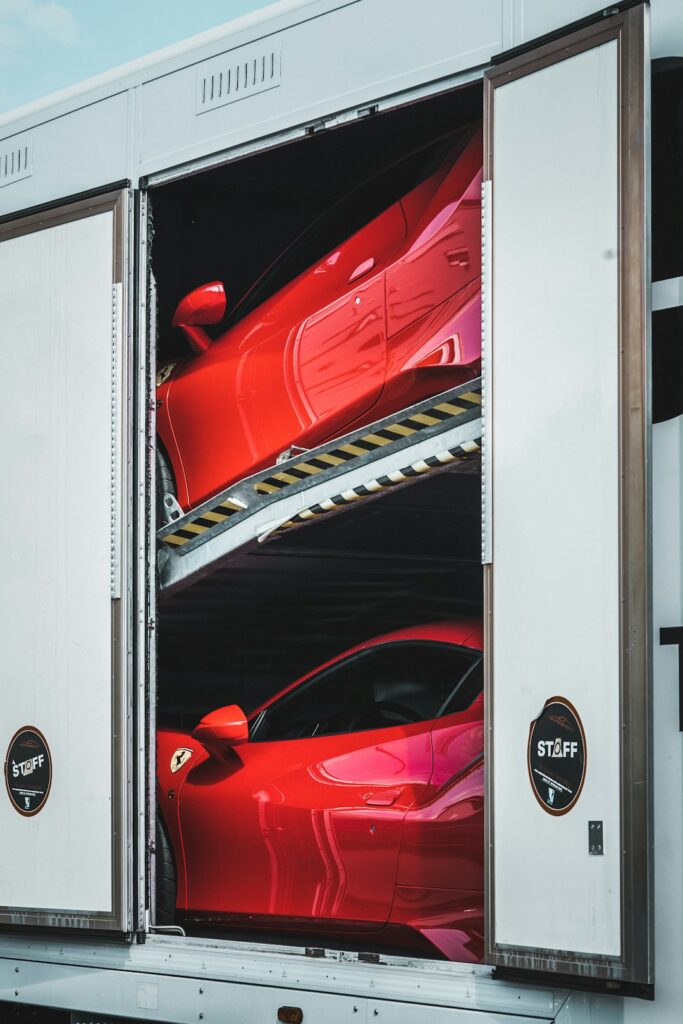
Open car transport uses uncovered trailers to move vehicles, while enclosed transport places them inside a covered trailer. The majority of auto shipping in the U.S. is done on open carriers—many people have seen these two-level trailers carrying new cars on highways. Enclosed transport, on the other hand, offers shielding from outside elements and is typically used for high-value, classic, or specialty vehicles.
In the context of Uniondale, local weather patterns—including winter snow, ice, and road salt—make these differences more significant than in milder regions. Residents storing a prized vehicle or sending a car south for the winter may each value protection differently.
How Do Local Climate and Roads Impact Your Choice?
For most standard vehicles and everyday moves around Uniondale, open transport is considered safe and economical. However, harsh winter weather and road debris are real considerations in this community.
- Open carriers leave vehicles exposed to precipitation, salt, dust, and small roadway debris.
- Enclosed carriers protect against weather and debris, preventing direct contact or buildup on the vehicle.
Between late fall and early spring, area households transporting a car out of or into Uniondale may worry more about snow and salt. Classic, collector, or recently detailed vehicles, in particular, benefit most from enclosed transport’s protection during these seasons.
Is There a Significant Cost Difference?
The price gap between open and enclosed transport is usually the deciding factor. Open transport costs less because a single carrier hauls more vehicles at a time and the operational expenses are lower. Enclosed transport is considered premium due to its added protections and reduced capacity.
Typical cost differences:
- Open transport is generally 30-60% less expensive for the same route.
- Enclosed service may add several hundred dollars per trip, depending on season, demand, and distance.
Local residents moving everyday vehicles often opt for open carriers unless extra protection is necessary, especially for shorter hauls.
When Is Enclosed Transport Worth Considering?
Enclosed transport makes practical sense for vehicles that warrant extra caution, such as:
- Low-mileage luxury cars, exotics, or antiques
- Classic cars cared for as investments or family heirlooms
- Cars with custom paint jobs or delicate modifications
- Recent purchases intended to arrive in showroom condition
Using enclosed transport in Uniondale is often chosen by those shipping rare or valuable cars out of state, especially in winter months or after investing in restoration work.
What Factors Get Overlooked When Deciding?
Many people focus solely on price or assumed risks. In practice, the most commonly overlooked considerations in this region include:
- Seasonal exposure: Uniondale’s salt-treated roads in winter can accelerate rust if vehicles are shipped openly during cold months.
- Delivery speed: Enclosed carriers often book up faster, and fewer are available, potentially requiring longer lead times.
- Visibility: Some prefer open transport simply because vehicles can be visually inspected more easily during transit.

Ask if your timeline is flexible enough to wait for an enclosed spot, or if a quick move in fair weather minimizes the benefits of extra protection.
Do Open Carriers Really Expose Vehicles to Damage?
While open transport means exposure, actual physical damage from transport is rare. Most risks are cosmetic—dirt, dust, or small chips from natural road debris. Insurance covers both open and enclosed shipments, but some owners prefer enclosed for peace of mind.
In densely populated communities like Uniondale, residents may be accustomed to street parking and the occasional door ding. For vehicles already in daily use, open transport typically presents no greater risk than sitting parked on a busy street. Still, for pristine or rarely driven cars, enclosed is sometimes chosen simply to avoid any chance of blemish.
Are Insurance and Safety Standards the Same for Both Methods?
Reputable auto transporters use the same regulatory and insurance standards for both open and enclosed shipments. All carriers must have liability and cargo coverage, though coverage limits may vary. Before shipping from the city, residents should ask about policy details, especially for high-value vehicles or unique upgrades.
Can Open Transport Be a Good Option for Most Residents?
For most vehicle owners, open transport balances safety, reliability, and affordability. In Uniondale’s suburban neighborhoods, families shipping a second car, used sedan, or even a lightly used minivan rarely need enclosed service. Seasonal timing matters: scheduling around winter storms or after a car wash can reduce exposure and make open transport even more practical.
How Should You Decide Which Option to Choose?
Start by considering:
- Value and use of the vehicle: Is it an everyday car or an important investment?
- Seasonal factors: Will your car travel during months with harsh weather or heavy use of road salt?
- Personal peace of mind: Is additional protection worth the cost for your situation?
Local experience suggests open transport fits most needs, with enclosed reserved for valuable, rare, or especially well-kept vehicles—especially when shipping during winter or along routes known for harsh conditions.