
 See My Latest Article on HelloNation
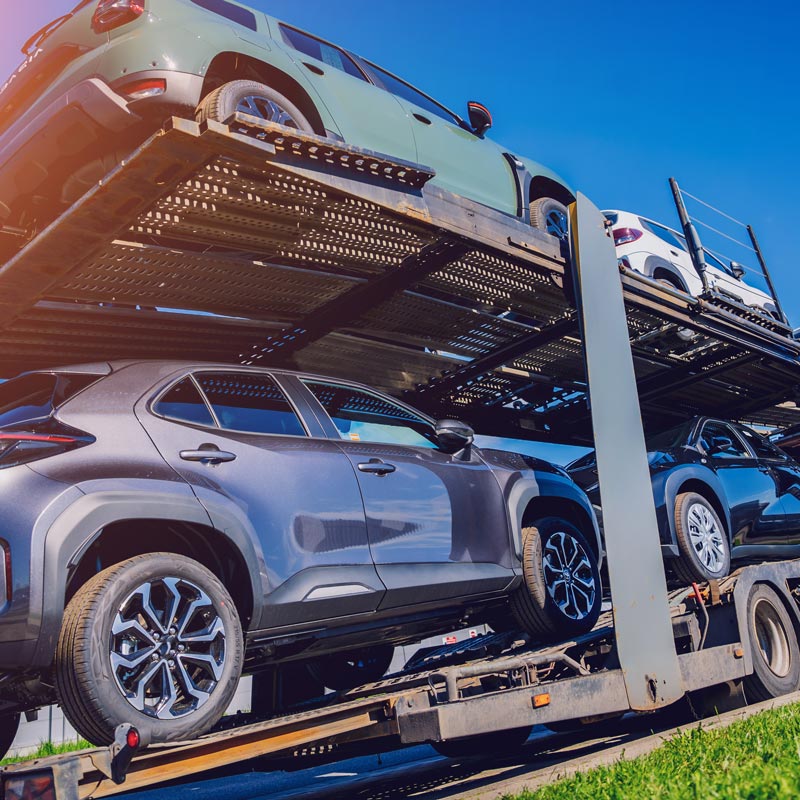
Many residents of Uniondale, NY wonder whether they must buy separate insurance before shipping a vehicle. Usually, the answer is no: the auto transporter is expected to carry its own liability coverage for damage caused during transportation. However, the vehicle owner still has responsibilities, and the transporter’s policy may not cover every situation.
Understanding the difference between personal auto insurance, carrier insurance, and optional protection can prevent unpleasant surprises.
Do I need my own auto insurance to ship a car?
Usually, you do not need to purchase a new insurance policy solely because the vehicle will be transported. Your existing auto policy may continue to apply while the car is being loaded, transported, unloaded, or stored temporarily, depending on its terms.
For a New York-registered vehicle, liability insurance generally must remain active as long as the vehicle remains registered, even if it is not being driven. Taking the vehicle off the road for shipping does not automatically cancel that obligation. If coverage ends, registration and license plates may need to be surrendered according to state requirements.
Before arranging transportation, ask the insurance company:
- Whether the policy remains active while the vehicle is transported by a commercial carrier
- Whether comprehensive coverage applies to damage from theft, fire, weather, vandalism, or falling objects
- Whether collision coverage applies during loading, unloading, or transport
- Whether there are exclusions for long-distance shipping, storage, or commercial transportation
- Whether a deductible would apply if a claim is filed
A car that is financed or leased may also be required to maintain comprehensive and collision coverage under the loan or lease agreement.
Does the transporter provide insurance?
A legitimate interstate auto carrier must maintain required financial responsibility coverage. This usually includes public liability protection related to the carrier’s operation. That coverage is not the same thing as a promise to pay for every type of damage to a customer’s vehicle.
Many transporters also carry cargo or physical-damage coverage for vehicles in their care, but the details depend on the carrier, policy, contract, and route. Federal rules do not treat every vehicle transporter exactly like a household-goods mover, so assumptions about “full coverage” can be misleading.
The key question is not simply whether a transporter says it is insured. The useful questions are:
- What types of damage are covered?
- What is the policy limit?
- Is there a deductible?
- Does coverage apply to the entire vehicle or only certain components?
- Are personal items inside the car excluded?
- Are pre-existing scratches, mechanical failures, weather damage, or unsecured accessories excluded?
- Who handles the claim if a broker arranged the shipment?
A broker may arrange transportation without physically hauling the vehicle. The actual carrier operating the truck is the party whose insurance and inspection procedures matter most.
What proof of insurance should I request?
Ask for current insurance information before the vehicle is picked up. A certificate of insurance can help confirm that coverage exists, although it may not show every policy exclusion or coverage condition.
The carrier’s identifying information should match the transportation documents. For interstate shipments, the carrier or broker should have appropriate federal registration and operating authority. Registration status and insurance filings can be checked through the federal carrier database.
Be cautious if:
- Insurance information is refused or kept vague
- The carrier’s name does not match the paperwork
- A broker will not identify the actual transporting carrier
- The policy appears expired
- The vehicle is being moved by an individual with no documented commercial authority
- The contract promises “full insurance” without explaining limits or exclusions
Insurance verification is especially useful during winter storms, summer heat, and periods of heavy travel, when delays, road debris, and weather-related incidents may complicate a claim.
What is the bill of lading, and why does it matter?
The bill of lading is the primary condition and delivery record for the vehicle. It should document the car’s condition when the carrier takes possession and again when it is delivered.
Before pickup, inspect the exterior carefully with the driver. Record existing dents, scratches, paint chips, cracked glass, wheel damage, and missing parts. Take dated photographs or video from multiple angles, including the roof, bumpers, wheels, windshield, and interior.
The vehicle should be inspected again at delivery. If new damage is visible, write a clear description on the delivery paperwork before signing. Photographs, the bill of lading, repair estimates, and correspondence may be needed to support a claim.
A clean delivery signature can make a later dispute more difficult, although hidden damage may require additional documentation after the vehicle is unloaded. Read the carrier’s claim instructions in advance so deadlines are not missed.
Does personal property inside the car have insurance coverage?
Usually, personal belongings left inside a shipped vehicle are excluded or limited. Auto transport insurance generally applies to the vehicle itself, not luggage, electronics, household goods, tools, documents, or other possessions placed in the trunk or passenger area.
Removing personal property also reduces the risk of:
- Theft
- Interior damage
- Items becoming projectiles
- Weight-related disputes
- Damage to windows, seats, trim, or cargo areas

Some carriers permit a small amount of personal property under strict weight and placement rules, while others prohibit it entirely. The written transport agreement controls, so verbal permission may not be enough.
What happens if the car is damaged during shipping?
First, document the damage before making repairs. Take photographs in good lighting and compare the condition with the pickup inspection. Notify the carrier promptly using the claim process stated in the transport documents.
The carrier may investigate whether the damage occurred during its custody and whether an exclusion applies. If the carrier used a broker, notify both parties, but remember that the broker may not be responsible for physical damage simply because it arranged the shipment.
The owner’s auto insurer may also need to be notified, particularly if comprehensive or collision coverage could apply. Filing through a personal policy could involve a deductible or affect claim history, so ask the insurer how the claim would be handled before authorizing repairs.
Do not assume the carrier’s policy will pay the vehicle’s full market value. Policy limits, deductibles, valuation rules, and exclusions can affect the final amount.
Should I buy additional shipping insurance?
Additional coverage may be worth considering for a high-value, antique, customized, or difficult-to-replace vehicle. It may also be relevant when the carrier’s policy has a high deductible or excludes particular types of loss.
Before purchasing anything, compare the proposed protection with existing comprehensive and collision coverage. Confirm:
- The insured value
- The covered causes of damage
- The deductible
- Whether mechanical damage is excluded
- Whether accessories and modifications are included
- Whether coverage applies from pickup through delivery
- How claims are submitted and resolved
A written explanation is more useful than a general statement that the vehicle is “fully insured.”
For ordinary vehicles, careful inspection records and confirmation of the carrier’s coverage may be sufficient. The right decision depends on the vehicle’s value, existing policy, transport conditions, and tolerance for financial risk.
What should Uniondale residents do before pickup?
A practical preparation checklist is:
- Confirm that the vehicle’s registration and required New York insurance remain in order.
- Ask the transporting carrier for current insurance information.
- Read the transport agreement and claims procedure.
- Remove personal belongings and valuables.
- Photograph the vehicle in detail.
- Note existing damage on the bill of lading.
- Keep a copy of the paperwork and driver information.
- Check the vehicle again before accepting delivery.
- Report new damage quickly and in writing.
The short answer is that separate insurance is usually not required to ship a car, but insurance details should never be treated as automatic. The owner’s policy, the carrier’s coverage, the written contract, and the condition report each address a different part of the risk.