
 See My Latest Article on HelloNation
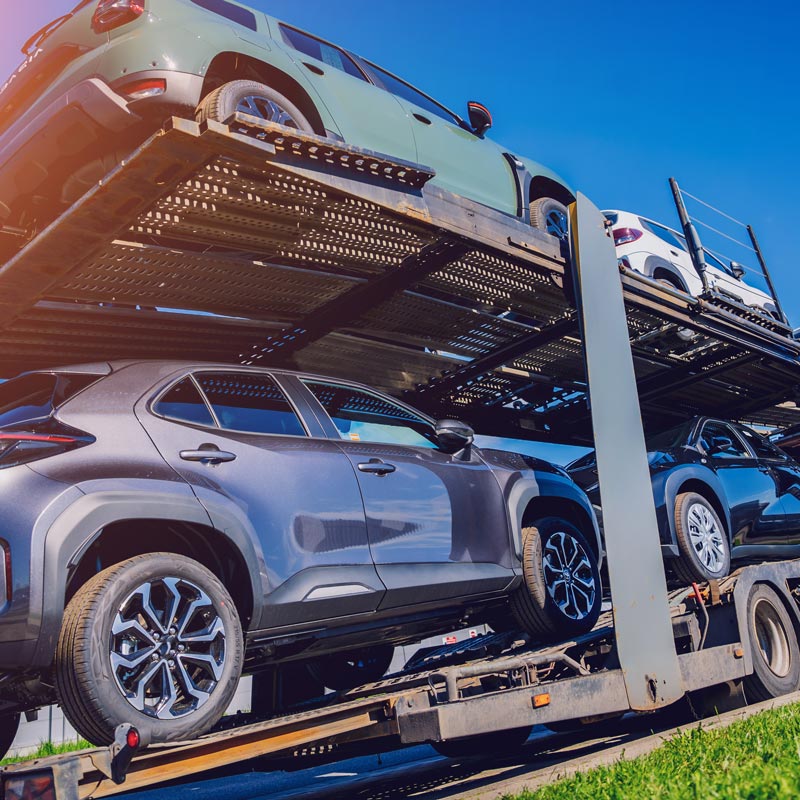
Moving a vehicle across the country, purchasing a car from another state, sending a vehicle to a student, or arranging seasonal transportation can involve more details than many people expect. Before booking, ask questions that clarify the price, timing, insurance, pickup process, and responsibilities of everyone involved.
For residents of Uniondale, NY, local conditions can also affect planning. Dense residential streets, limited driveway space, winter weather, and traffic patterns may influence where a vehicle can be safely loaded or delivered.
What type of transport service is being offered?
Ask whether the vehicle will travel on an open carrier or an enclosed carrier. Open transport is usually more widely available and often costs less, but the vehicle is exposed to normal road dust, weather, and outdoor conditions. Enclosed transport provides more protection and may be appropriate for high-value, antique, restored, or unusually delicate vehicles.
Also ask whether the shipment is:
- Door-to-door, meaning the carrier attempts pickup and delivery near the requested addresses
- Terminal-based, meaning the vehicle is taken to or collected from a designated storage location
- Direct transport or part of a route with multiple stops
“Door-to-door” does not always mean the truck can pull directly into a particular driveway. A large carrier may need to use a nearby legal loading area if the street is narrow, congested, restricted, or difficult to enter.
What exactly is included in the quoted price?
A written price should explain what is included and what could cause the amount to change. Ask whether the quote covers transportation only or also includes services such as storage, tolls, fuel adjustments, expedited scheduling, or delivery to an alternate location.
Questions worth asking include:
- Is the price binding or subject to change?
- What circumstances could increase the final cost?
- Are taxes, fees, or storage charges included?
- Is a deposit required, and under what conditions is it refundable?
- When is the remaining balance due?
- Are payment methods and payment timing clearly documented?
A very low quote may not represent the final cost if it excludes common charges or is based on an unrealistic pickup window. A clear written explanation is more useful than a price given without conditions.
What pickup and delivery dates are realistic?
Auto transport schedules are usually expressed as windows rather than exact appointments. Ask for the estimated pickup range, the expected transit time, and how delays will be communicated.
Weather, mechanical problems, traffic, vehicle availability, and other shipments on the same route can affect timing. Winter conditions may create additional uncertainty, especially when a vehicle must be loaded outdoors or delivered during snow, ice, or freezing temperatures.
Ask these specific questions:
- What is the earliest and latest expected pickup date?
- Is delivery scheduled for a specific day or only an estimated range?
- How much advance notice will be provided?
- Who should be contacted if the carrier is delayed?
- What happens if the vehicle cannot be delivered on the original date?
Avoid making a tight travel, employment, or moving schedule depend on a delivery date that has not been guaranteed in writing.
Where will the vehicle be picked up and delivered?
Confirm whether the addresses are suitable for a large transport truck. In Uniondale, some residential areas may have parked vehicles, narrow access points, busy roadways, or limited space for loading equipment. A carrier may require a safer nearby location if the exact address cannot be reached legally or safely.
Before booking, discuss:
- Street width and truck access
- Low branches, overhead wires, steep slopes, or tight turns
- Parking restrictions or temporary road closures
- Whether someone must be present at pickup and delivery
- Whether an alternate location can be used if necessary
The alternate location should be agreed upon before the truck arrives, rather than selected during a rushed phone call at the curb.
What vehicle condition must be documented?
Ask how the vehicle inspection will be handled before loading and after delivery. The condition report should record existing dents, scratches, chipped glass, missing parts, and other visible issues. Photographs taken before pickup are also useful, especially when they show the entire vehicle and close-ups of existing damage.
Prepare the vehicle by:
- Washing it so surface damage is easier to see
- Taking dated photos from multiple angles
- Removing personal items and valuables
- Recording mileage and fuel level
- Keeping only the amount of fuel specified in the shipping instructions
- Securing or removing loose exterior accessories
At delivery, inspect the vehicle before signing the final paperwork. If new damage appears, document it on the delivery record and take photographs immediately. Ask in advance how damage claims must be submitted and what deadlines apply.
What insurance protection is provided?
Do not assume personal auto insurance, homeowner coverage, or the carrier’s policy will cover every situation. Ask for a plain-language explanation of the carrier’s cargo coverage, including the policy limits, deductible, exclusions, and claim process.
Important questions include:

- What types of damage are covered?
- Are personal belongings inside the vehicle excluded?
- Are mechanical problems covered, or only damage caused during transport?
- Is pre-existing damage excluded?
- Who handles a claim, and how quickly must it be reported?
- Can proof of current insurance be provided before pickup?
Personal possessions are commonly excluded from transport coverage. Leaving luggage, electronics, documents, tools, or other valuables inside the vehicle can create both insurance and security problems.
Can the vehicle legally and safely be transported?
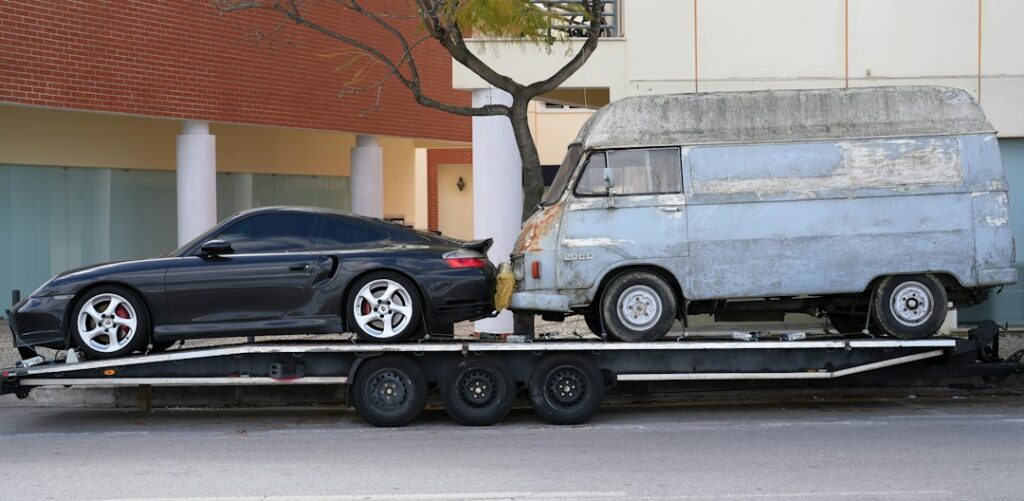
Tell the transport provider about the vehicle’s condition before booking. A non-running vehicle may require special equipment, such as a winch or lift gate, and the added service should be priced in advance.
Disclose whether the vehicle has:
- Flat or damaged tires
- Steering or braking problems
- A dead battery
- Modified suspension or unusually low clearance
- Oversized dimensions
- Roof racks, spoilers, or other exterior equipment
- An alarm system or unusual starting procedure
A vehicle that cannot roll, steer, or brake may not be accepted under ordinary loading conditions. Accurate information prevents delays and unexpected charges.
Who is actually handling the shipment?
Ask whether the company arranging the shipment is the actual carrier or a broker coordinating transportation with another carrier. Both arrangements can be legitimate, but the customer should know who will provide the truck, who will communicate schedule changes, and who is responsible for resolving problems.
Get the following details in writing:
- Legal business name
- Main contact information
- Carrier or broker role
- Pickup and delivery instructions
- Cancellation terms
- Damage-claim procedure
- Name and contact information for the assigned driver, when available
Be cautious if basic terms are vague, pressure is applied to make an immediate payment, or the price changes sharply after personal information and payment details have been provided.
What should be included in the final paperwork?
Before paying a deposit, review the contract, shipping order, or bill of lading. The documents should match the verbal agreement and identify the vehicle, pickup and delivery locations, transportation method, price, estimated dates, payment terms, and inspection procedures.
Do not rely on text messages or informal promises to resolve major terms later. If an important condition matters—such as enclosed transport, a maximum price, a special delivery location, or a required date—it should appear in the written agreement.
A careful booking process does not eliminate every delay or risk, but it makes responsibilities easier to understand. Asking these questions before the vehicle is loaded can prevent many avoidable disputes and help area households plan with more realistic expectations.